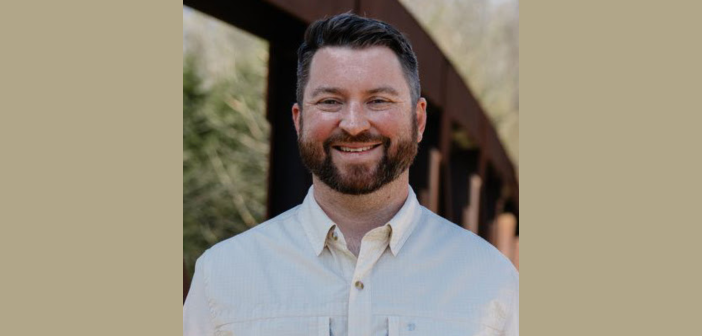
Karl Vaters has an international impact in the small church space through his books, conferences, podcasts and teaching materials. His passion for the small church as well as the small church leader is contagious.
The 95Podcast
Practical conversations for small and midsize church leaders.
Hosted by Dale Sellers, Executive Director of 95Network and former small church pastor, the 95Podcast addresses the real challenges pastors face every week—from church health, leadership clarity, to the everyday realities of leading without large staff or large budgets. These are straightforward conversations rooted in experience, not theory.
New episodes release every Tuesday wherever you listen to podcasts or delivered straight to your inbox.
Subscribe





Healing Broken Trust In Marriage (w/ Mark & Jill Savage) – Episode 168
“Experience is a hard teacher because she gives the test first, the lesson afterward.” by Vernon Law

Transformational Discipleship (w/ Matt Adair) – Episode 167
It’s not a stretch to say that Jesus modeled for us one of the key priorities of having effective discipleship was to love our enemies.

Save Your Church Money (w/ George Kreger) – Episode 166
George Kreger created saveyourchurchmoney.com out of his own need as a lead pastor. Today it has grown into a national service provider established to assist ministries who are in search of the best possible deals when it comes to purchasing church furniture.

The Timothy Initiative (w/ Tim Walker) – Episode 165
The goal of The Timothy Initiative is to create discipleship to the fourth generation.

Keeping The Conversation Going (w/ Hykeng Paul) – Episode 164
As baby boomers age, the focus of cultural unity will continue to increase. The generations coming up aren’t content with the status quo of the current church environments.

Intentional Relationship Solutions (w/ Dan Houk) – Episode 163
Some of the greatest servants, volunteers and workers in any local church are often single folks who are looking for community and a place to belong.

The “Size-mic” Shift Of The Church (w/ The 95Network Team) – Episode 162
Evaluating your discipleship process is a must. The need for effective mentoring and relational discipleship is so desperately needed.

PODCAST RECAST: Essentials For A Thriving Church (w/ Dan Reiland) – Episode 161
One of the first things you can do is foster a spirit of grace and kindness that permeates your church culture: squash divisiveness, judgment, and discontent.

PODCAST RECAST: PTSD And The Ministry (w/ Jon Sanders) – Episode 160
It’s not healthy to compare trauma from one person to another. Trauma is trauma. It doesn’t matter the “source” of your trauma whether it’s from vocational situations or even your upbringing. There’s no benefit in “downplaying” your trauma just because it doesn’t sound as serious as someone else’s.

Pink Theology (w/ Christine & Brent Carter) – Episode 159
Pink Theology was written to communicate how we can learn through serious study of Scripture a new level of trust. It’s one thing to say I believe in God’s Word. However, it’s another thing entirely to see your belief become reality.

Evangelism Is A Lifestyle (w/ Nicole Vallance) – Episode 158
Nicole has devoted her life to sharing Jesus with anyone and everyone along with training churches in practical ways of sharing their faith.