
Many churches are full of willing people—but struggle to mobilize them for meaningful ministry. The result is often a church that teaches well but trains very little, leaving both leaders and volunteers underdeveloped and underutilized.
In this episode of the 95 Podcast, Dale Sellers sits down with Derek Sanford for a practical and challenging conversation about transforming churches from teaching centers into training centers. Derek shares why empowering people—not expanding programs—is the key to long-term health, and how shifting away from institutional church models opens the door to deeper discipleship and broader impact.
The conversation explores how churches can mobilize volunteers, create a permission-to-fail culture where people can grow, and expand the definition of ministry beyond church walls. Derek also unpacks practical tools and training environments that equip people for ministry in every area of life—and why changing the scorecard from attendance metrics to life transformation matters more than ever.
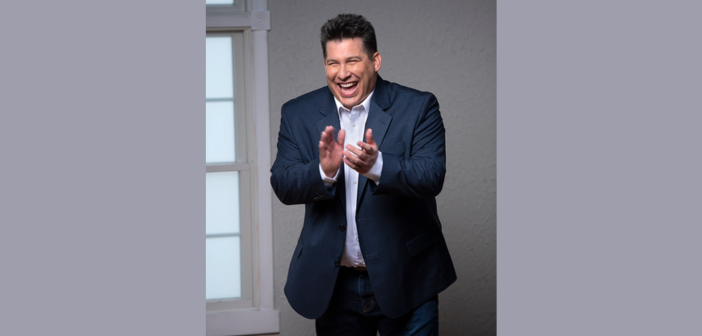
Derek Sanford has pastored Grace Church in Erie, Pennsylvania since 1995 and is the author of Untapped Church and host of the Reinventing Church podcast. He is also the founder of ServErie, which has mobilized thousands of volunteers to serve their community, and the Grace Leadership Institute, focused on training the next generation of Christian leaders and disciples. Derek is a graduate of Taylor University and Trinity Evangelical Divinity School and lives in Pennsylvania with his wife Kim, their grown children, and granddaughter Ruby.



Links to Resources Mentioned or Related
- Website: Grace Church.com
- Website: Derek Sanford.com
- Book: Untapped Church
- Podcast: Reinventing Church
- Email Derek
- Easter Devotional From Fishhook
- Link to NEW! Soul Care Essentials Online: 3-Session Video Series
- Link to NEW! Soul Care Essentials Cohort: 6 Weeks of Guided Conversations for Post-Conference Groups
- 95Network – Soul Care Essentials
- 95Network – Healthy Church Assessment
- Read Stalled: Hope and Help for Pastors Who Thought They’d Be There By Now
- Watch Podcast on YouTube

Key Takeaways
- America’s churches are over-inspired and under-trained. People hear great messages but don’t know how to actually do ministry. The solution is creating workshop environments where people learn by doing, not just listening.
- The greatest untapped resource in your church is your people. Don’t wait for quality servers to transfer from other churches—mine the potential in your own congregation by giving them tools, training, and permission to try.
- Flip the funnel. Jesus didn’t use the attend-connect-serve model (wide at the top, narrow at the bottom). He used a multiplication model: call-train-send (narrow at the start, expanding outward).
- Redefine the finish line. Ministry doesn’t end inside church walls. The marketplace, neighborhoods, nonprofits, and families are equally valid—and often more impactful—ministry arenas.
- Change the scorecard. Stop measuring only attendance and giving. Start measuring discipleship fruits, life-on-life mentoring, and ministry impact in all five arenas (church, neighborhood, nonprofit, family, marketplace/affinity groups).
- Create training environments, not teaching seminars. Cap groups at 16-18 people, use adult learning methodologies, and focus on helping people leave being able to do something they couldn’t do before, not just know something new.
- Model transparency about failure. If you want a permission-to-fail culture, leaders must talk openly about their own struggles and failures. This creates psychological safety for others to try and grow.
- Innovate on the side first. Don’t announce wholesale change. Start small, get proof of concept, tell stories until the church catches the vision, then expand.



+–+Episode+325)
+–+Episode+325&description=&image=https://95network.org/wp-content/uploads/2026/02/Derek-Sanford-2.png)