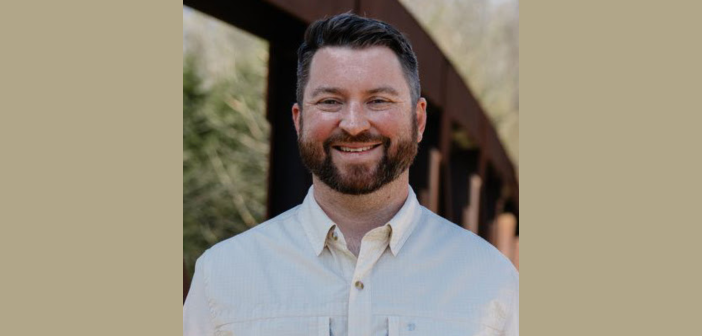
An annual retreat creates opportunities for clarifying your vision for your marriage and the life you’re building.
The 95Podcast
Practical conversations for small and midsize church leaders.
Hosted by Dale Sellers, Executive Director of 95Network and former small church pastor, the 95Podcast addresses the real challenges pastors face every week—from church health, leadership clarity, to the everyday realities of leading without large staff or large budgets. These are straightforward conversations rooted in experience, not theory.
New episodes release every Tuesday wherever you listen to podcasts or delivered straight to your inbox.
Subscribe





Breaking Leadership Barriers (w/ Joseph Bennett) – Episode 267
There are certainly a lot of hard times in ministry leadership. However, it’s good to remind ourselves from time to time of the ministry joys that we’ve encountered along the way.

The Best of 2024: Great Ideas For Maintaining Soul Health (w/ Lance Witt) – Episode 266
It’s not a “badge of honor” to ignore your own personal emotional health for the sake of the ministry.

The Best of 2024: Keys To Successful Ministry Handoff (w/ Michael Moore) – Episode 265
There comes a point when you must identify and begin to intentionally train your next leaders with your succession plan in mind.

The Best of 2024: De-Sizing The Church (w/ Karl Vaters) – Episode 264
A natural phenomenon that led to much of the megachurch movement was the relocation of the population to the suburbs.

The Best of 2024: Connect Hope (w/ Chuck Gordon) – Episode 263
Consistently spending time journaling each day was the most important thing that Chuck did that allowed him to navigate the tough times.

The Best of 2024: Anchored Hope – Trusted Support For Ministry Leaders (w/Josh Clink) – Episode 262
It’s imperative for us to find one or two trusted friends to help us walk through the valley of despair and discouragement. Without them, it’s almost impossible to regain ministry traction.

The Best of 2024: Soul Care Essentials Online (w/ Jason Allison) – Episode 261
These resources provide practical tools that enable you to examine and expose areas where you may not be leading from a healthy soul.
Keys To Successful Ministry Handoff (w/ Michael Moore) – Episode 260
There comes a point when you must identify and begin to intentionally train your next leaders with your succession plan in mind.

The Revitalize Roadmap (w/ Michael Rubino) – Episode 259
The “driver of the car” has to be healthy in order to reach your destination.
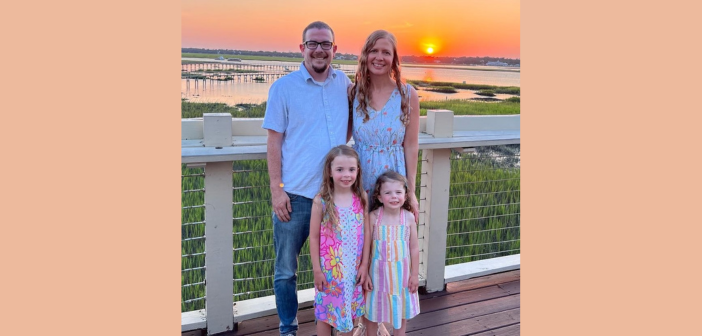
Travel Multiplier (w/ Tim Walker) – Episode 258
I could not afford to take my family on a vacation anywhere. I became worried that my children would not have any good memories of family vacations to draw from.
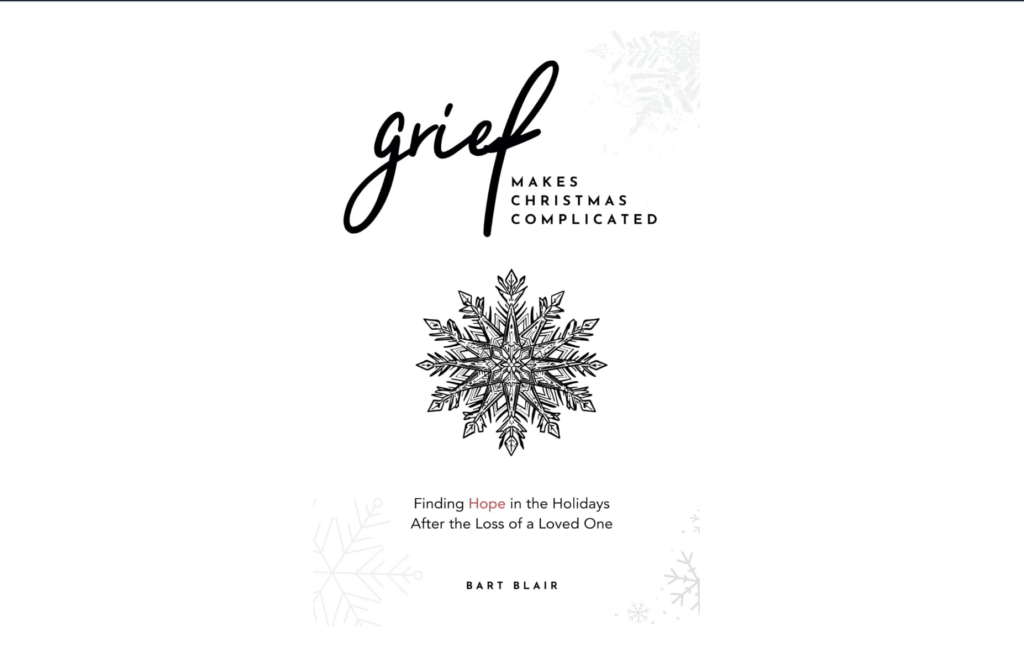
Grief Makes Christmas Complicated (w/ Bart Blair) – Episode 257
It’s not a “badge of honor” to ignore your own personal emotional health for the sake of the ministry.