Releasing bitterness and unforgiveness doesn’t start a “process” to freedom. Freedom actually comes the moment we truly forgive and release someone. The pain from the torment is gone!
The 95Podcast
Practical conversations for small and midsize church leaders.
Hosted by Dale Sellers, Executive Director of 95Network and former small church pastor, the 95Podcast addresses the real challenges pastors face every week—from church health, leadership clarity, to the everyday realities of leading without large staff or large budgets. These are straightforward conversations rooted in experience, not theory.
New episodes release every Tuesday wherever you listen to podcasts or delivered straight to your inbox.
Subscribe





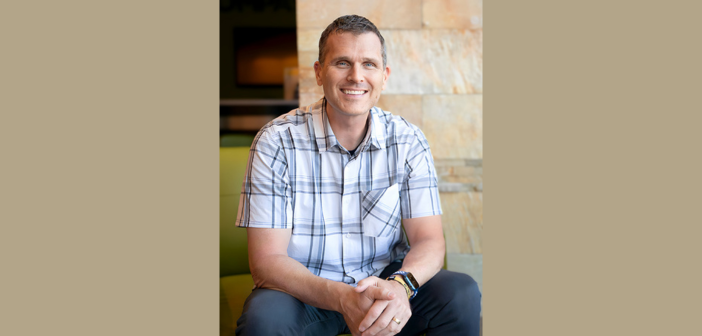
PODCAST RECAST: Struggling Well – Post Traumatic Growth (w/ Jon Sanders) – Episode 243
The goal of this specific retreat is to help folks learn how to “struggle well” which is the outcome of post-traumatic growth.

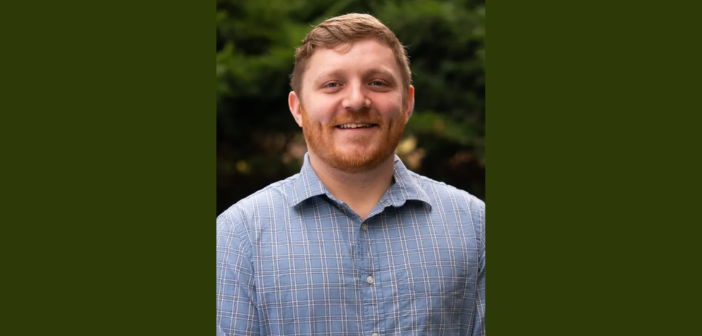
PODCAST RECAST: Anchored Hope – Trusted Support For Ministry Leaders (w/Josh Clink) – Episode 242
It’s imperative for us to find one or two trusted friends to help us walk through the valley of despair and discouragement. Without them, it’s almost impossible to regain ministry traction.

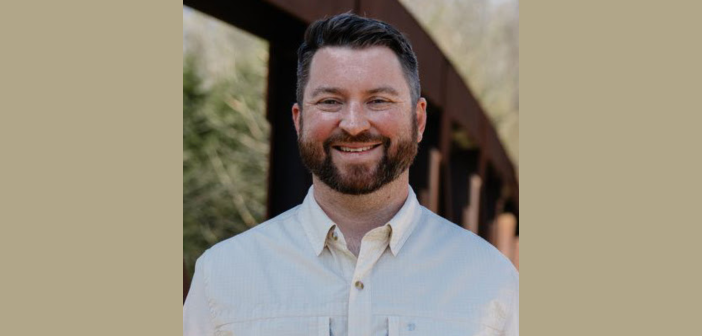
PODCAST RECAST: Marriage And The Ministry Over 40 Years (w/Karl & Shelley Vaters) – Episode 241
While some folks in the church can be the source of your pain, Karl and Shelley received unexpected healing and restoration from the people in their new congregation. This blessing released them into where they are today as they minister to leaders and their spouses all over the world.

PODCAST RECAST: The Two Views For A Leader: The Window & The Mirror (w/ John Fuller) – Episode 240
Succession plans don’t just happen. It takes a long and thorough process to effectively implement a successful transition from one leader to the next.
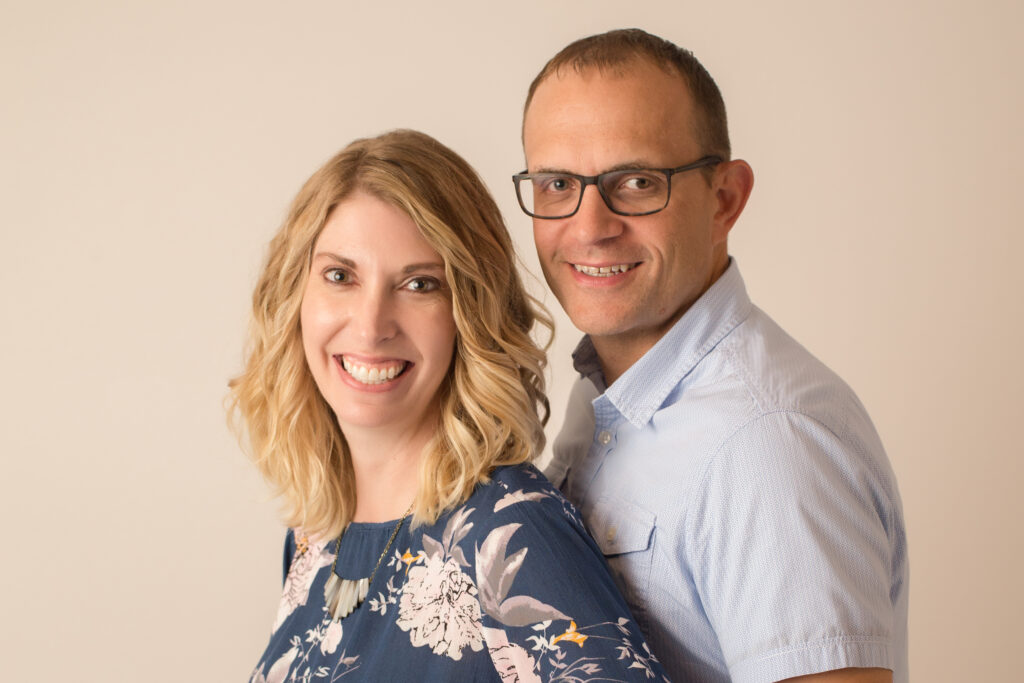
From Disaster To Disciple Making (w/ Tom & Suzi Steele) – Episode 239
Available on YouTube, Podcast, Podcast - Church Planting, Podcast - Church Renewal, Podcast - Discipleship, Podcast - Emotional Health, Podcast - Iowa City Church, Podcast - Mission, Podcast - Recovering From Devastation, Podcast - Suzi Steele, Podcast - Tom Steele, Podcast - Trauma, Podcast - Vision
We have a solid understanding today more than ever that the church is not a building. The church is a group of people committed to serving Jesus and each other even through the most difficult of situations.

What The New Laws Mean To Your Church (w/ Steven Goodspeed) – Episode 238
Changes in employee compensation laws are not something churches should take lightly. It is vital that pastors and church administrators understand how this new law could leave their ministries vulnerable.

Is It Time To Become A Life Coach? (w/ Jon Sanders & Greg Reed) – Episode 237
This whole thing of discipleship happens when we engage where people are living life everyday.

We’re Here To Help (w/ Jimmy Dodd) – Episode 236
Many “successful” ministry leaders discover too late in life that they missed out on the true success that comes from having great family relationships. Far too many build “great” ministry’s but loose their families.

Disciples Making Disciples (w/ Tim Walker) – Episode 235
Program based discipleship usually teaches and trains an individual to grow and develop on a personal level. However, it lacks the intentionality necessary to help them become a teacher and trainer.
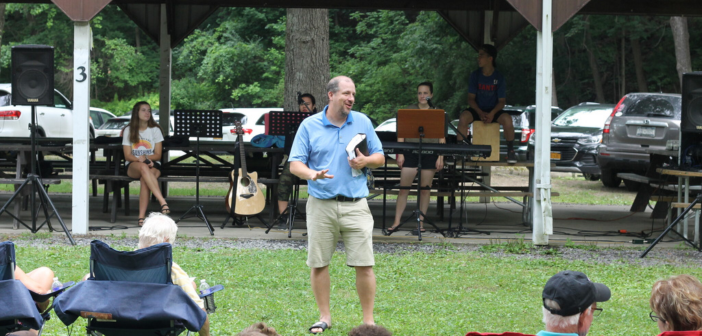
Joy In The Journey (w/ Michael Schooley) – Episode 234
Every church planter needs to learn at the beginning the priority of recruiting and empowering volunteers. You simply can’t do everything yourself.

Impactful Men’s Ministry (w/ Wendell Morton) – Episode 233
There is such a huge need for our churches to address real and current issues that face our culture as a part of their overall ministry emphasis.