More Similar Posts

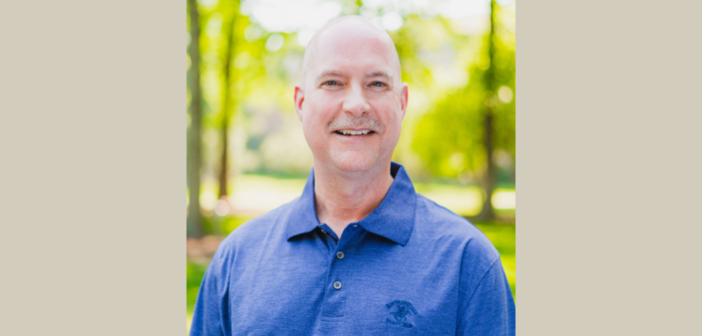
Greg Woodard joins Dale and Joseph for a practical conversation about pastoral soul care, burnout prevention, and building rhythms that help ministry leaders stay healthy for the long haul. Drawing from 22 years in the military, including 15 years as a Navy chaplain, Greg shares the framework behind his book Leadership from Within and four essential areas of health: relational, spiritual, emotional, and physical.
The conversation explores why pastors need trusted relationships outside their church, how spiritual practices can become professional obligations rather than personal nourishment, and what happens when leaders continually absorb the grief, trauma, and pressure of others without processing it themselves. Greg also connects physical rhythms like sleep, exercise, Sabbath, and recreation to the health of the whole person.
For pastors who already feel depleted, the answer isn’t an overwhelming life overhaul. Greg encourages leaders to stop comparing, identify where they most need support, and start with one small, sustainable step toward health.



About Greg Woodard: Greg is an author, a Spiritual director in training, a life and leadership coach, and an active lay member in a local church. He retired from twenty-two years of active-duty military service: fifteen years as a Navy Chaplain and seven years as a Marine and Army National Guardsman. He has also pastored in a Christian drug and alcohol recovery program and local church settings.Greg holds a Doctor of Ministry in Leadership Renewal and Coaching from Regent University. He is a devoted Christian husband to Vicki for 27 years, father to two grown children, Liahna and David, and the proud papa of a grandchild.
1. Ministry leaders need relationships outside their organization
Greg Woodard says relational rhythms may be the most critical part of a leader’s health. Pastors can become isolated when their identity becomes wrapped up in their work or when they feel pressure to appear perfect. He encourages leaders to find one or two people outside their church or organization who can walk with them honestly.
2. Spiritual care must be personal, not only professional
For pastors, Scripture study, prayer, teaching, and spiritual conversation can easily become professional requirements. Greg reminds leaders that their relationship with God must also nourish their own soul. A spiritual director, coach, or mentor can help pastors slow down and receive from God personally.
3. Emotional health requires intentional release
Pastors and caregivers often absorb trauma, grief, conflict, and pressure from others. Greg compares this to a sponge that eventually becomes saturated. Without healthy ways to release and process emotion, leaders can become overwhelmed, unavailable to family, or headed toward burnout.
4. Physical rhythms support the whole person
Exercise, sleep, nutrition, hobbies, Sabbath, and recreation all contribute to healthy leadership. Greg explains that physical health is connected to emotional, spiritual, and relational health. Leaders need practices that refresh their soul and help them release pressure.
5. Start small and do the next right thing
Greg’s encouragement to pastors who feel unhealthy in every area is not to compare themselves with others or attempt a massive life overhaul overnight. Instead, he recommends beginning with one small, sustainable practice—such as a short walk, a few minutes of Scripture reflection, journaling, or reaching out to a trusted person.
“If you’re not really intentional, you can become very isolated.” — Greg Woodard
“Your connection or your relationship with God is a professional requirement… but if that’s all that it is, then you’re missing something.” — Greg Woodard
“A pastor can only take in so much. If the pastor is not finding ways to release those emotions… they’re going to get saturated.” — Greg Woodard
“Get a counselor. Get a spiritual director. Get a coach, and unload.” — Greg Woodard
“Just do the next right thing… pick one easy practice and don’t make it too big. Make it sustainable.” — Greg Woodard
“Find somebody… who doesn’t really care about the status that you have and just cares about you as a person.” — Greg Woodard
“You can’t do it alone. You weren’t called to do life alone. Jesus didn’t do it alone.” — Dale Sellers
Who is Greg Woodard?
Joseph Bennett: Greg, before we get into your book, tell our listeners a little bit about you.
Greg Woodard: I have been married for 28 years. We have two grown children and a grandson. I spent 22 total years in the military—six years enlisted as a Marine, some time in the National Guard, and 15 years as a Navy chaplain. I retired in 2023. Since then, I have authored a book and trained as a spiritual director. In this season, I am focused on writing, spiritual direction, being a husband, and being a grandfather.
Which was harder: military life or chaplain ministry?
Dale Sellers: You’ve worked in the military and in ministry as a chaplain. Which one was the hardest?
Greg Woodard: Both had unique challenges. As a young Marine, I was still figuring out life. As a chaplain, I was more mature, but the work carried a different weight. Chaplains take in a lot of trauma because people come to them for confidential conversations. I served in places like a naval vessel in the Red Sea, field environments with Marines, Okinawa, and other settings. Because of what I carried, chaplain life was probably the hardest.
Did Greg have someone to talk to as a chaplain?
Dale Sellers: Did you have somebody to unload to, or were you the end of the line?
Greg Woodard: Chaplains live with 100% clergy-penitent confidentiality, so even when we talk to someone, we speak in generalities. In one deployed environment, I was the only chaplain on the ship. There were about 800 people—400 Navy personnel and 400 Marines. I had a few peers, including a doctor friend, but not necessarily the kind of soul-care outlet I needed. That’s part of why I wrote the book. I had to learn how to take care of my own soul.
What is military chaplaincy like?
Joseph Bennett: Chaplaincy is not just dealing with Christians, right? You’re dealing with people from all different backgrounds.
Greg Woodard: It is like being a pastor inside a secular organization. I provided spiritual care to anyone who walked into my office. Some people were not there for a spiritual conversation; they came because of confidentiality. I provided from my own faith tradition, and when someone needed specific care from another tradition, I helped find the right provider. I worked with Catholics, Protestants, Muslims, Jewish personnel, and people from different backgrounds.
When did Greg realize he needed better soul care?
Dale Sellers: When did you recognize your soul was not doing so hot?
Greg Woodard: I crashed before I became a chaplain. Early in marriage, I worked in a faith-based drug and alcohol recovery program. The men had a specialized set of needs and carried a lot of trauma. I would go home and churn over what I experienced during the day. My wife noticed I was short with her and our children. That was the beginning of learning I needed a decompression rhythm. Later, as a chaplain, I reflected on why I stayed resilient in difficult environments, and that reflection helped shape the book.
What is the title of Greg Woodard’s book?
Dale Sellers: What’s the book called?
Greg Woodard: The book is called Leadership from Within: Navigating the Path Towards Soul Driven Success.
How is the book structured?
Dale Sellers: How is it broken out?
Greg Woodard: The book is built around four rhythms: relational, spiritual, emotional, and physical. There is also an introductory part, so it is a five-part book.
What are relational rhythms?
Dale Sellers: Let’s work through those four sections. What is the first section?
Greg Woodard: The first section is relational rhythms. I think this is one of the most critical parts of life as a leader. If you are not intentional, you can become isolated. If you are too focused on what you do, the most important people in your life may suffer. Your relationship with God may not be as healthy as it should be, and you may not be as effective as a leader.
Why do pastors need outside relationships?
Greg Woodard: Many pastors are introverts, but even introverts need someone outside the organization to relate to and be accountable to. It cannot only be an elder, board member, or executive pastor. It needs to be someone with no vested interest in your role other than asking, “Are you healthy as a person?”
What are spiritual rhythms?
Joseph Bennett: Tell us what the next section is.
Greg Woodard: The next section is spiritual rhythms. This is about taking care of your spiritual self and your soul—your connection with God. For clergy, your relationship with God and study of Scripture can become professional requirements. But if that is all it is, you are missing something. You need to receive Scripture and spiritual practices for what they do in your own soul, not just for what you will give to someone else.
How can pastors recover a personal spiritual life?
Dale Sellers: How do we get back when our spiritual life has become mostly professional?
Greg Woodard: Get a spiritual director. Find someone seasoned in the spiritual journey and ask them to walk with you as you slow down your spirituality and personalize it.
What are emotional rhythms?
Dale Sellers: What is the third one?
Greg Woodard: Emotional rhythms involve taking a deep dive into your past experiences and developing self-awareness. Leaders need to understand where they came from, how childhood and relational dynamics affect them, and how their emotions are influencing their leadership. During deployment, I learned I had to privately unload the things weighing me down. Journaling became an important practice.
Why is emotional processing so important for pastors?
Greg Woodard: A sponge can only take in so much. A pastor can only take in so much. If pastors do not find ways to release the emotions that build up within them, they become saturated. That affects them negatively and can lead to difficult circumstances if they are not processing their emotions regularly.
What should pastors do with unresolved trauma or emotional baggage?
Greg Woodard: Get a counselor. Get a spiritual director. Get a coach, and unload. Undealt-with emotional baggage does not go away. It can become like cancer; it grows into something you do not want it to become.
What did decompression look like for Greg?
Joseph Bennett: You mentioned learning that you needed decompression time. What did that look like for you?
Greg Woodard: I had to find outlets and release valves for the pressure leaders face. Sometimes that was physical activity. Sometimes it was closing my office door and doing something that refreshed my soul. It could be being with my children when they were younger, spending time with my grandson now, reading, being in nature, taking retreats, or practicing good self-care.
Why do pastors need fun and Sabbath?
Dale Sellers: A lot of pastors do not know how to have fun.
Greg Woodard: I have watched younger pastor friends who are good at having fun, and I think they are healthy. Sabbath is important. Doing something on Sabbath that refreshes your soul matters. Having fun is a great way to define part of that.
What are physical rhythms?
Dale Sellers: Take us to the fourth division.
Greg Woodard: Physical rhythms are about taking care of your physical self—getting exercise, sleeping well, navigating emotions so you can sleep, eating well, and caring for your body. It is about taking care of your physical shell.
How does physical health affect leadership?
Greg Woodard: There is a connection between physical health and integrity in leadership. I tell a story in the book about a friend who lost 200 pounds to join the chaplaincy. The congregation began to relate to him differently after he lost the weight. They took him more seriously. All the rhythms work together. If you are doing ministry but do not have time to take care of your physical self, something is not right.
What does Greg hope the book will accomplish?
Dale Sellers: What are you hoping the impact of the book will be?
Greg Woodard: I feel a responsibility in this season of life to offer younger leaders whatever wisdom God has allowed me to glean. I hope the book gives people permission to practice solid self-care and offers them a plan to begin taking care of themselves holistically.
What encouragement would Greg give pastors who are struggling?
Joseph Bennett: What would you say to pastors who are not in a healthy place?
Greg Woodard: First, do not compare. Start small. If you are thinking about physical rhythms, you do not have to run a marathon tomorrow. Block out 15 minutes for a walk. Maybe walk without earbuds and reflect on your relationship with God. Take five minutes to read Scripture and write down how it impacts you. Do the next right thing. Pick one easy practice and make it sustainable.
If a pastor is struggling in all four areas, where should they begin?
Dale Sellers: If someone says they are a disaster in all four areas, where should they start?
Greg Woodard: Find someone you can spend time with who does not care about your status and simply cares about you as a person. Build a relationship with someone outside your organization. That will positively affect your relationship with God, your family, and your congregation.