
Connection starts with God first. If leaders are not connected to God, they will not lead people into meaningful connection.
The 95Podcast
Practical conversations for small and midsize church leaders.
Hosted by Dale Sellers, Executive Director of 95Network and former small church pastor, the 95Podcast addresses the real challenges pastors face every week—from church health, leadership clarity, to the everyday realities of leading without large staff or large budgets. These are straightforward conversations rooted in experience, not theory.
New episodes release every Tuesday wherever you listen to podcasts or delivered straight to your inbox.
Subscribe





Digital Natives vs Digital Immigrants: Brittany Nelson on Hybrid Church, Kids Ministry, and Partnering with Parents – Episode 338
Available on YouTube, Podcast, Podcast - Brittany Nelson, Podcast - Childrens Ministry, Podcast - Deeper Kidmin, Podcast - Digital Ministry Adaptation, Podcast - Joseph Bennett, Podcast - Small Church Help, Podcast - Small Church Ministry, Podcast - Small Church Pastors, Podcast - Supporting Parents
Kids ministry deserves top-tier support. If the mission includes evangelism and disciple-making, the next generation should be resourced accordingly.
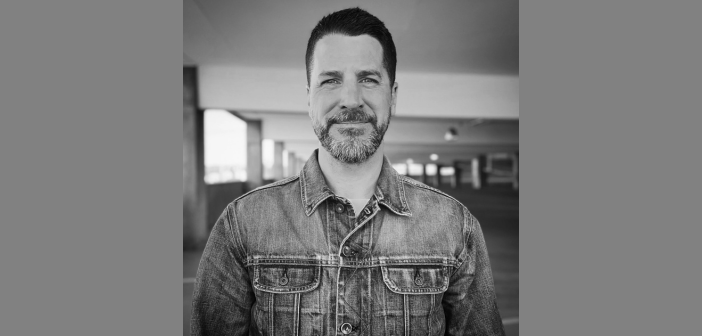
Soul Care Essentials Series: Pastoral Sabbaticals Made Doable: Rest, Renewal, and a Plan for Small-Church Pastors (w/ Michael Hidalgo) – Episode 337
Most pastors aren’t refusing rest—they’re trapped by systems. Without a plan (and a bench), even a short break can feel impossible.

Soul Care Essentials Series: Flying Ahead of the Plane: Leadership Lessons from the Cockpit (w/ Michael McFadden) – Episode 336
Available on YouTube, Podcast, Podcast - Church Leadership Checklist, Podcast - Fuel Exhaustion, Podcast - Joseph Bennett, Podcast - Michael McFadden, Podcast - Ministry Margins, Podcast - Proactive Vs Reactive Leadership, Podcast - Small Church Help, Podcast - Small Church Ministry, Podcast - Small Church Pastors
Preparation beats panic. Healthy leaders build a plan before the crisis—then execute calmly when disruption hits.
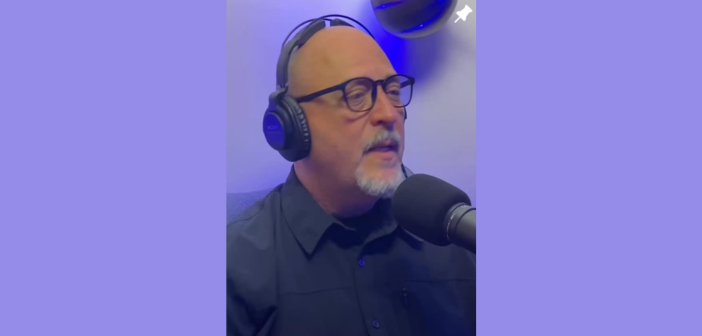
Soul Care Essentials Series: When Ministry Becomes a Mistress: How Pastors Escape Approval Addiction and Rediscover Peace (w/ Ramfis Moulier) – Episode 335
Equipping can’t be reduced to a weekly performance; it requires presence, relationship, modeling, and shared life.

Soul Care Essentials Series: Healthy Soul, Healthy Ministry: Prayer, Sabbath, and Soul Care Rhythms for Pastors (w/ Dan Reiland) – Episode 334
Prayer isn’t the warm-up—it’s the engine. Ministry strength doesn’t come from personal drive; it comes from dependence on Jesus and consistent prayer.

Soul Care Essentials Series: Pastoral Retirement: How to Finish Well and Start a New Season of Ministry (w/ Doug Bullock) – Episode 333
“If you got a pulse, he’s got a purpose for you.” Retirement isn’t the end of ministry; it’s a new season with fresh opportunities to serve, mentor, and impact the kingdom.

Soul Care Essentials Series – Healthy, Holy, and Humble: Soul Care Rhythms for Pastors (with Lance Witt) – Episode 332
Available on YouTube, Podcast, Podcast - Healthy Churches, Podcast - Healthy Leaders, Podcast - Healthy Living, Podcast - Joseph Bennett, Podcast - Lance Witt, Podcast - Pastoral Health, Podcast - Pastoral Mental Health, Podcast - Small Church Help, Podcast - Small Church Ministry, Podcast - Small Church Pastors, Podcast - Soul Care
Self-awareness protects leaders from self-deception. Honest feedback is a guardrail for character and culture.
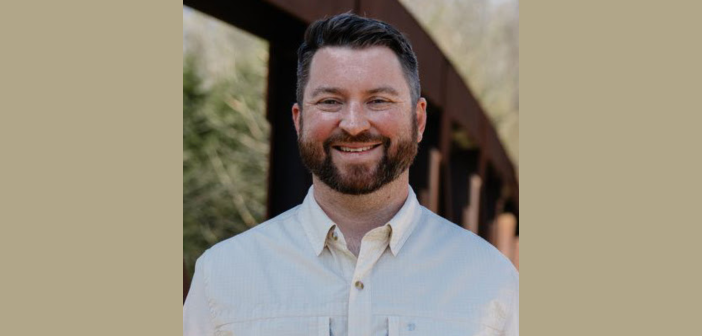
Easter Prep Series: After Easter – A Simple Follow-Up Plan That Builds Real Disciples (w/ Vick Green) – Episode 331
Build discipleship around practice, not just information. People grow through doing, feedback, and repetition in relationships.

Easter Prep Series: Praying for Easter: A Simple Plan to Rally Volunteers, Reach Guests, and Build Momentum – Episode 330
Prayer is the engine, not the accessory. Easter effectiveness is not primarily about production, but about God’s presence.
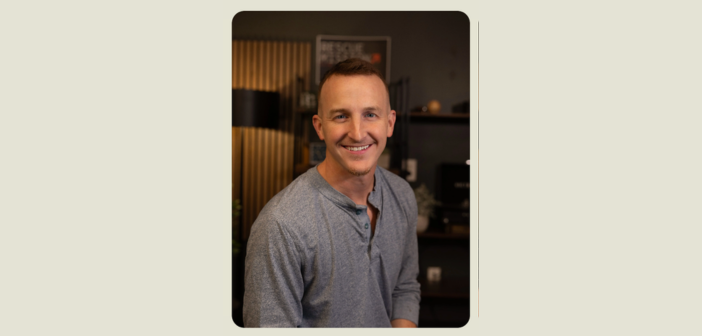

Easter Prep Series: Easter Church Planning: Authentic Communication Over Production with Leah Norton from Fishhook – Episode 328
Available on YouTube, Podcast, Podcast - Communications, Podcast - Easter, Podcast - Easter Planning/Strategy, Podcast - Effective Church Communications, Podcast - Empathy, Podcast - Fishhook, Podcast - Joseph Bennett, Podcast - Leah Norton, Podcast - Small Church Help, Podcast - Small Church Ministry, Podcast - Small Church Pastors
Less Is More—With Intentionality. Doing less with your whole heart is better than doing more and being worn out. Fewer tactics executed with great intentionality will be more effective than an overwhelming production.